The Privacy-to-Progress Principle: Why Psychological Support Begins with a Better Setting
For globally mobile clients, premium psychological support is not defined by spectacle. It is defined by the conditions that make honest reflection possible: discretion, continuity, practitioner fit, and a clear route to appropriate care.
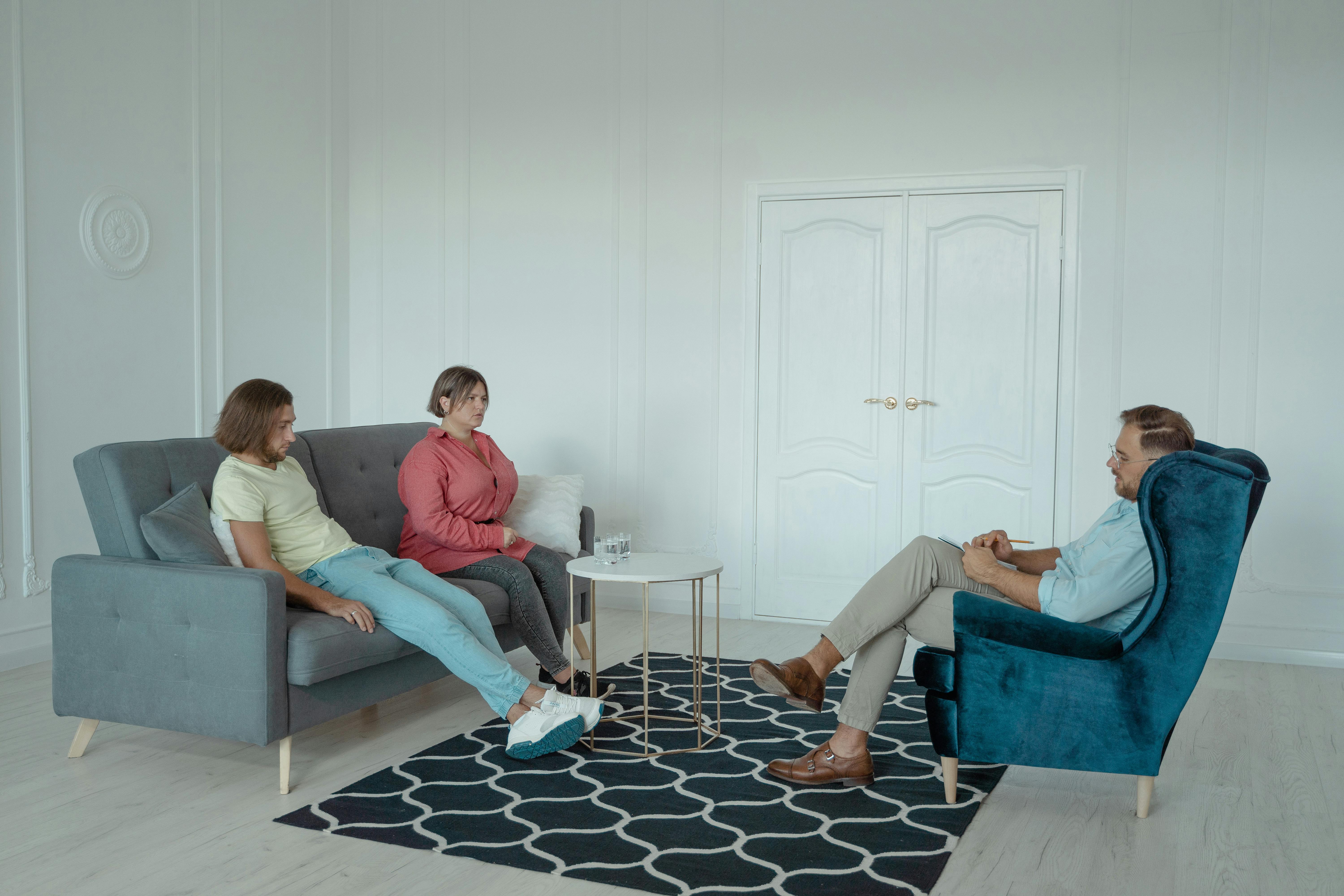
There is a quiet misconception about premium psychological support: that its value is mainly a matter of access to a more exclusive professional. In practice, the more important distinction is often the setting around the conversation. Privacy, time, continuity, and clinical fit can determine whether support becomes a meaningful part of life - or another appointment that is difficult to begin and harder to sustain.
For clients whose lives cross cities, countries, and time zones, professional psychological consulting is best understood as a health and medical concierge solution for emotional resilience and clarity. It does not replace a clinician, and it is not a promise of effortless wellbeing. Its role is to help create a considered pathway to qualified support when the demands of leadership, family, travel, change, or visibility begin to consume too much internal capacity.
"Luxury Therapy is an elevated form of psychological care that goes beyond traditional therapy methods." - ReSpark Group
The meaningful word here is not "luxury". It is conditions.
A better setting is part of the service
A private, calm environment cannot solve a psychological concern on its own. It can, however, reduce some of the friction that prevents a person from speaking candidly or returning consistently. ReSpark Group's public description of luxury therapy highlights private settings, remote sessions, extended session times, and access to highly trained professionals as features commonly associated with a more personalised experience.
These features should not be confused with clinical superiority. They are service-design choices. Their purpose is to protect attention and make the process more compatible with real life. For a client moving between London, New York, Dubai, and Singapore, flexibility may be less about convenience than about preserving a stable relationship with care while everything else changes.
The same principle applies to the physical environment. A discreet room, an uninterrupted hour, and a conversation protected from professional or family demands may offer the psychological equivalent of closing a door. The point is not theatre. It is the creation of enough quiet for accurate self-observation.
Privacy is not a decorative benefit
In psychological care, privacy is foundational. It includes the atmosphere in which a session takes place, but also the practical details: how appointments are arranged, which communication channels are used, who may access records, and what happens if a session is interrupted.
For remote sessions, the American Psychological Association notes that videoconferencing carries benefits and risks that differ from in-person work, including potential limits to confidentiality. Its checklist also recommends a quiet private space, a secure internet connection, permission-based recording practices, a technical back-up plan, and a safety plan for crisis situations.
That guidance offers a useful standard for any premium psychological concierge pathway. Discretion should be operational, not merely aesthetic. A polished experience is not enough if the practical boundaries of care remain unclear. Before beginning, clients should understand the provider's professional credentials, the jurisdiction in which the service is delivered, the handling of personal information, the limits of confidentiality, and the route to urgent help when needed.
Continuity matters more than intensity
A longer session or a more refined setting may be valuable, but the central measure of a support relationship is whether it can remain coherent over time. Psychological consulting should fit the client's actual pattern of life rather than require life to be reorganised around the service.
NHS England describes digital talking therapies as potentially available through telephone, video calls, secure messaging, and therapist-supported online programmes. It also emphasises that digital options should sit alongside other treatment choices according to what is appropriate for the patient.
This is an important distinction. Remote care is not automatically better, and in-person care is not automatically more appropriate. The right format depends on the person, the concern, the clinician's assessment, and the safeguards surrounding the work. A well-designed concierge service therefore begins with fit, not assumption.
| Service consideration | The question worth asking |
|---|---|
| Privacy | Can the client speak without being overheard, observed, or interrupted? |
| Continuity | Can support remain practical across travel, schedule changes, and time zones? |
| Practitioner fit | Does the professional's training and scope match the client's needs? |
| Format | Is remote, in-person, or blended care clinically appropriate? |
| Boundaries | Are confidentiality, records, licensing, fees, and urgent-care pathways clear? |
From performance management to emotional clarity
Many accomplished people are skilled at functioning while under pressure. They can continue leading, travelling, deciding, and caring for others long after their internal margin has narrowed. The question is not whether they can keep going. It is whether the current way of going forward is still intelligent, sustainable, and aligned with the life they want to lead.
Professional psychological consulting creates a protected interval in which that question can be examined with a qualified mental health professional. Depending on the provider and the client's needs, the work may involve reflection on stress, relationships, life transitions, decision fatigue, emotional regulation, or patterns that are difficult to see from inside a demanding schedule. It should not be presented as a status symbol, a guaranteed performance enhancer, or a substitute for psychiatric assessment when psychiatric care is indicated.
The VERTU perspective is more measured: clarity is a form of personal infrastructure. When care is discreet, appropriately matched, and easier to sustain, a client has a better chance of engaging with the questions that matter before they become more disruptive.
What a responsible concierge pathway should include
A credible service begins with a careful intake rather than an assumption that every client needs the same type of support. It should make room to clarify the purpose of the consultation, the preferred setting, the client's location, scheduling constraints, and any relevant clinical or safety considerations.
The pathway should then connect the client with an appropriately qualified professional, while keeping the boundary between concierge coordination and clinical judgement explicit. The concierge can help make access more considered. The clinician remains responsible for assessment, treatment decisions, confidentiality within the applicable framework, and referral or escalation where necessary.
For an internationally mobile client, this distinction is especially important. Professional licensing, telehealth rules, data protection requirements, insurance arrangements, and emergency resources can vary by jurisdiction. Availability should therefore be confirmed case by case rather than implied by a global brand promise.
A quieter definition of premium care
The best psychological support does not need to announce itself. It is experienced in the quality of the introduction, the calm of the setting, the precision of the match, and the confidence that the next step is understood.
For VERTU England, Professional Psychological Consulting represents a restrained approach to modern wellbeing: not the performance of luxury, but the removal of unnecessary friction around qualified care. For those seeking greater emotional resilience and clarity for life's challenges, the first step may be neither dramatic nor public. It may simply be a better setting for an honest conversation.
Important note: This article is for general informational purposes and is not medical advice, diagnosis, or treatment. Professional Psychological Consulting should be arranged with an appropriately qualified and licensed provider. If there is an immediate risk of harm or a mental health emergency, contact local emergency services or an appropriate crisis service without delay.